

Hear from Our Customers
You shouldn’t have to wonder if that musty smell is dangerous or if your allergies are worse because of something in your walls. Mold testing gives you real data about what’s in your air and where it’s coming from.
We use air sampling and surface testing to detect mold you can’t see. That means checking behind walls, under floors, and inside HVAC systems where mold grows unnoticed for months. You get a detailed report that shows what types of mold are present, how much, and whether they’re affecting your health.
Once you know what you’re dealing with, you can make informed decisions. Maybe it’s a small issue you can handle yourself. Maybe it requires professional remediation. Either way, you’re not guessing anymore. You have a plan based on science, not fear.
We’ve been serving Washington Crossing and Bucks County for nearly 30 years. We’re certified by the Institute of Inspection Cleaning and Restoration Certification, and we follow EPA and IICRC standards on every job.
We know this area. Pennsylvania’s humid summers push indoor humidity past 60% in July and August, creating perfect conditions for mold. Older homes in Bucks County are especially vulnerable, and we’ve tested hundreds of them.
You’re not getting a salesperson. You’re getting someone who understands building science, knows how to read lab results, and will explain what’s happening in plain language. No pressure. No upselling. Just honest answers.
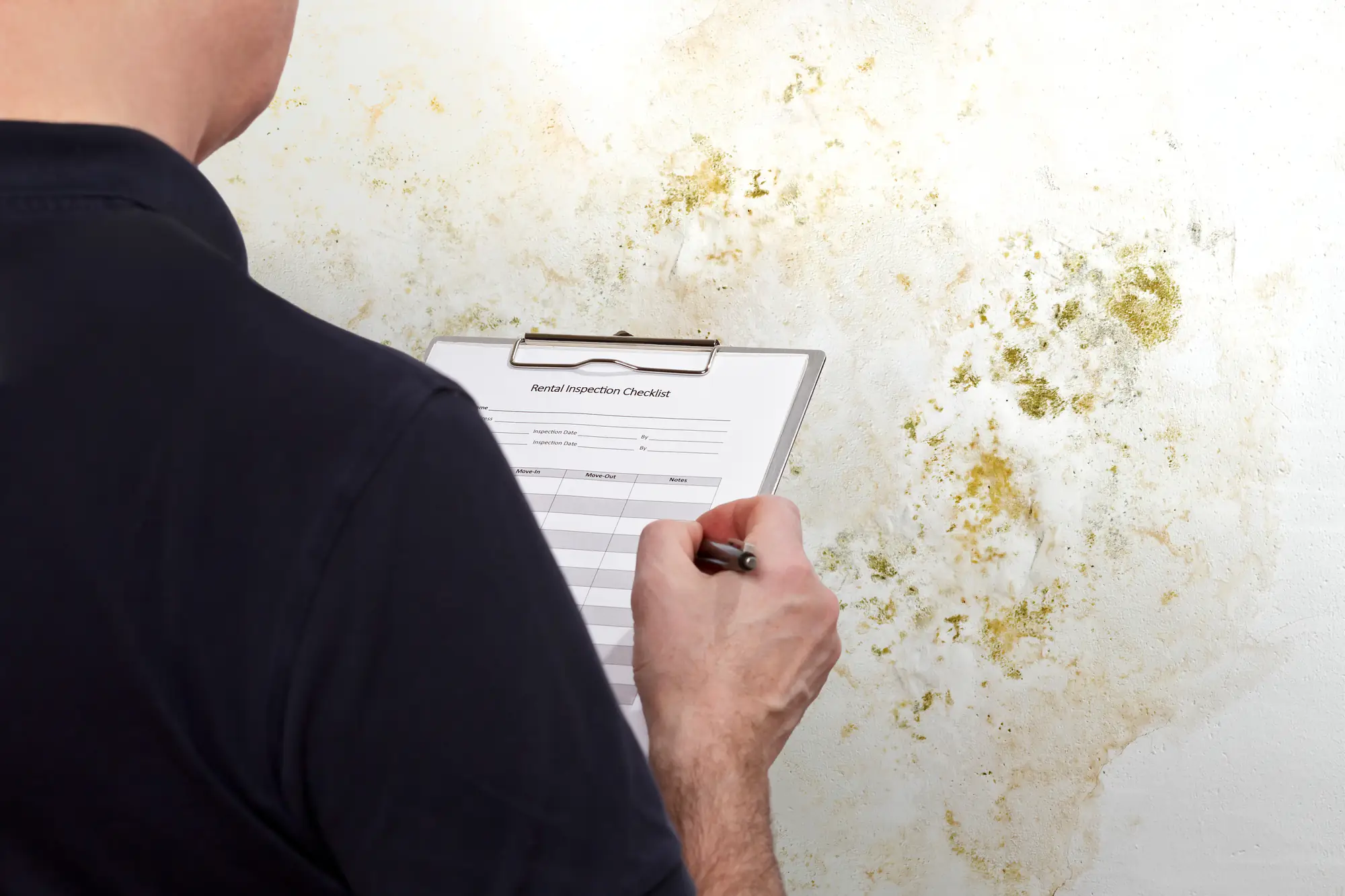
First, we talk. You tell us what you’re seeing, smelling, or experiencing. We ask questions about your home’s history, any water damage, and where you’re noticing problems. This helps us know where to look.
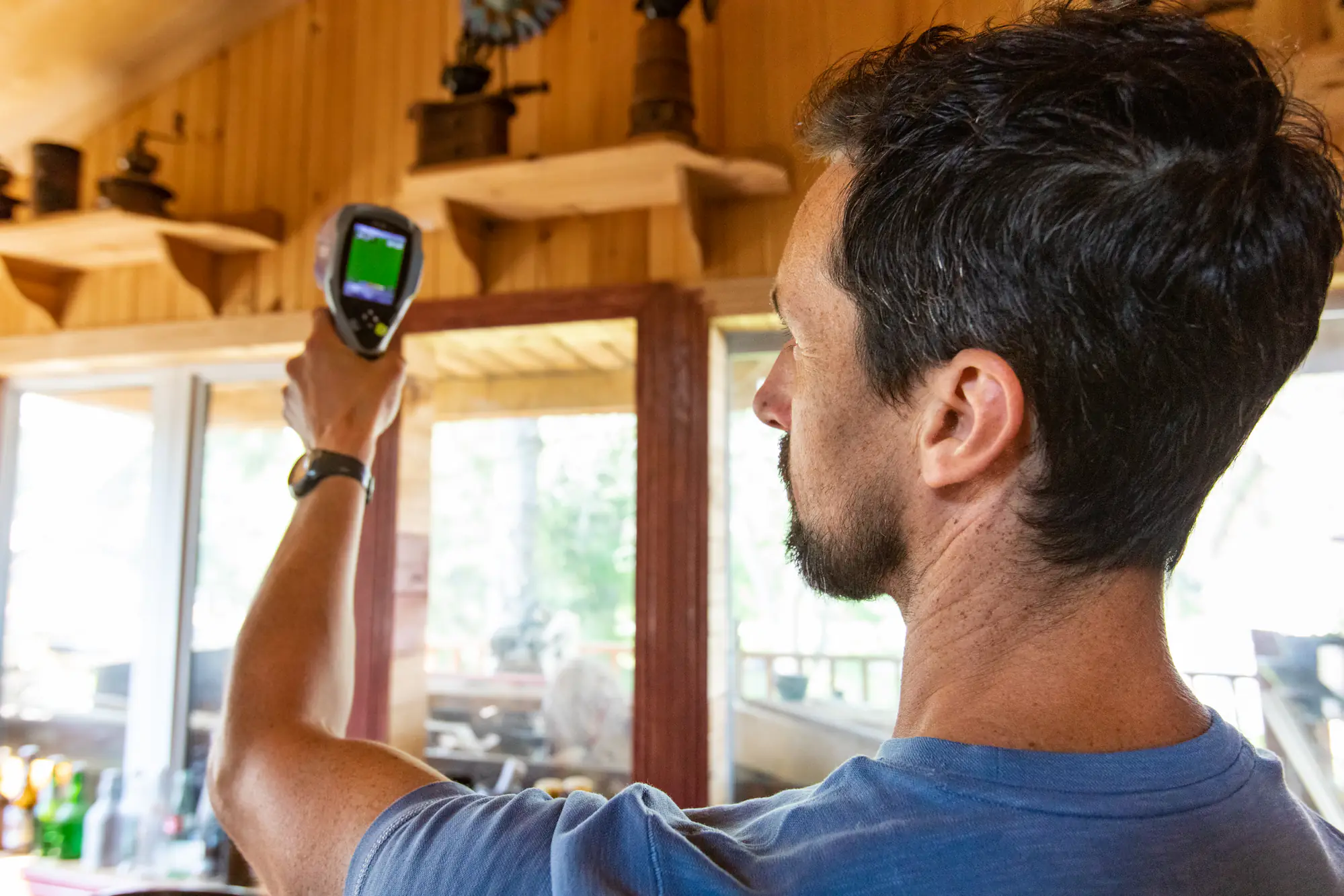
Then we inspect. We check visible areas and use moisture meters to find hidden dampness. We take air samples from different rooms to measure spore levels. If needed, we take surface samples from suspected mold growth. Everything gets sent to an accredited lab for analysis.
You get a full report within a few days. It shows what types of mold were found, the concentration levels, and whether they’re considered hazardous. We walk you through the results and explain what they mean for your specific situation. If remediation is needed, we’ll outline the scope and give you a clear estimate. If it’s minor, we’ll tell you that too.
Ready to get started?
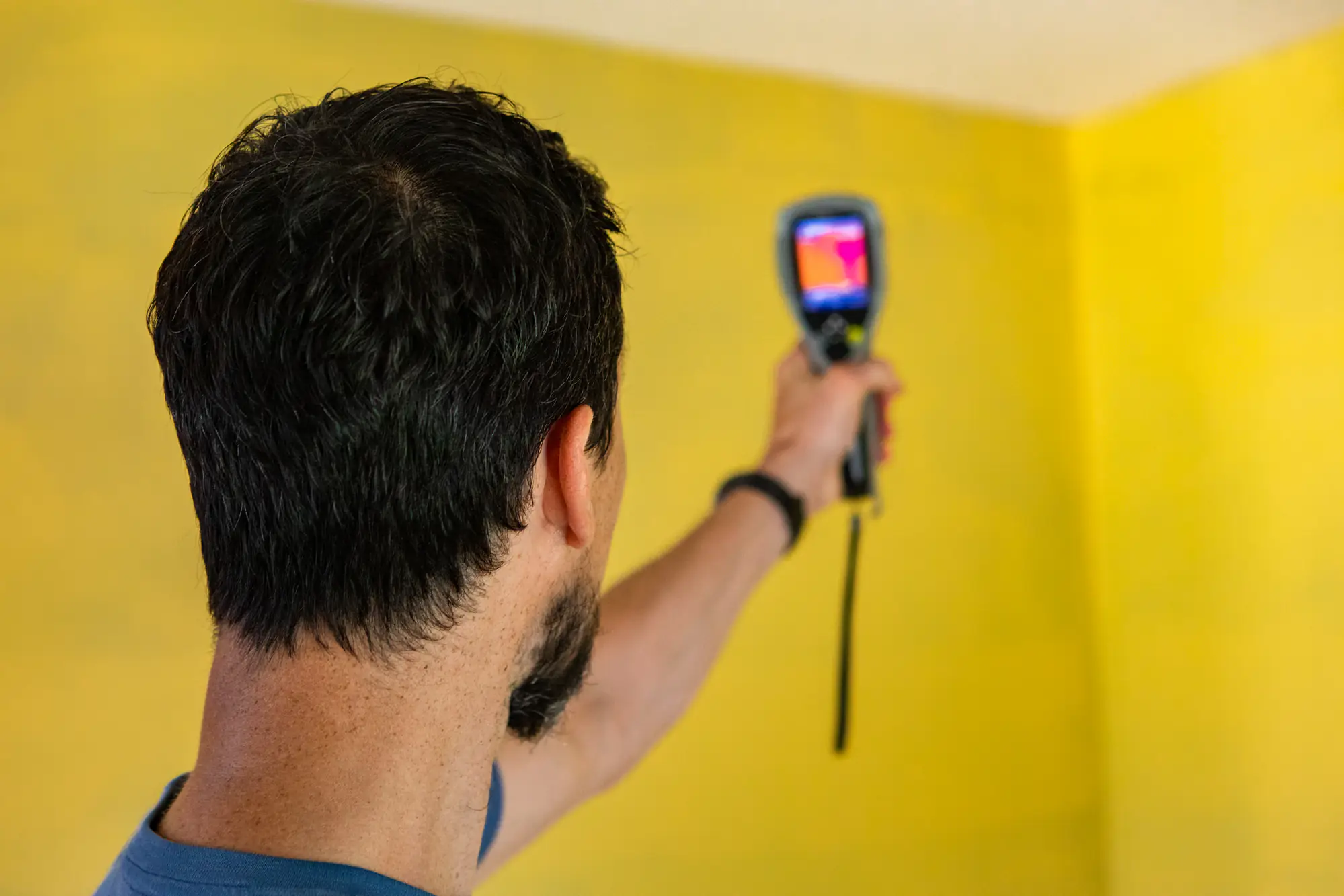
Every mold testing appointment includes a visual inspection of your entire home. We’re looking for water stains, discoloration, condensation, and any signs of moisture intrusion. We use thermal imaging and moisture detection tools to find problems you can’t see.
Air quality testing measures the concentration of mold spores in your indoor air compared to outdoor levels. High indoor counts usually mean there’s active mold growth somewhere. Surface sampling identifies specific mold species on walls, floors, or other materials. This is especially useful if you’ve had previous water damage or want to verify that a cleaned area is actually mold-free.
In Washington Crossing, we see a lot of basement mold from groundwater issues and attic mold from poor ventilation. Both are common in older homes here. Your report will include moisture readings, photos, lab results, and our recommendations. If you’re buying or selling a home, this documentation is critical for negotiations and peace of mind. If you’re dealing with health symptoms, it gives your doctor concrete information to work with.
Most residential mold testing runs between $300 and $1,000 depending on the size of your home and how many samples we need to collect. The average is around $670 for a typical single-family home.
That includes the inspection, air sampling from multiple rooms, any surface samples we recommend, lab analysis, and a detailed report. If your home is larger or you need testing in multiple areas like a basement, attic, and living spaces, the cost goes up because we’re collecting more samples.
Compare that to the average mold remediation cost of $2,300. Testing early catches problems before they spread and become expensive. It also prevents you from paying for remediation you don’t actually need. Some companies will try to sell you removal services without proper testing. That’s a red flag.
A mold inspection is a visual assessment. We walk through your home, look for visible mold, check for moisture problems, and identify conditions that promote mold growth. It’s useful, but it doesn’t tell you what types of mold are present or how much.
Mold testing involves collecting samples and sending them to a lab. Air samples measure spore concentration in your indoor air. Surface samples identify specific mold species growing on materials. Testing gives you data, not just observations.
You usually want both. The inspection tells us where to test. The testing tells us what’s actually there and whether it’s a health risk. Some molds are relatively harmless. Others, like black mold, produce mycotoxins that can cause serious respiratory problems. You can’t tell the difference just by looking.
If you’re experiencing unexplained health symptoms that improve when you leave your home, that’s a strong indicator. Persistent sinus infections, headaches, fatigue, skin rashes, or worsening allergies can all be mold-related.
Visible signs matter too. Dark spots on walls or ceilings, a musty odor that won’t go away, or any history of water damage are reasons to test. Black mold often grows behind walls or under flooring where you can’t see it, especially after leaks or flooding.
In Bucks County, we see a lot of black mold in basements and crawl spaces because of our humid climate and older home construction. If your home was built before 1980 and you’ve never had mold testing done, it’s worth checking. The test itself is straightforward, and knowing for sure is better than wondering if your home is making you sick.
DIY mold test kits exist, but they’re not reliable. Most just tell you that mold spores are present, which is true in every home. They don’t measure concentration levels or identify specific species, so you can’t tell if you have a problem or just normal background mold.
Professional testing uses calibrated equipment and accredited labs. We know where to sample, how to avoid contamination, and how to interpret results in context. A high spore count in one room might be normal if it’s near an open window. The same count in a sealed bedroom is a red flag.
You also need someone who understands building science. Finding mold is one thing. Understanding why it’s growing and how to stop it requires experience. We’ve tested hundreds of homes in Washington Crossing. We know what to look for and how to read the signs your home is giving us.
The on-site inspection and sampling usually takes 1-2 hours depending on your home’s size and how many areas we’re testing. We’re thorough, but we’re not going to waste your time.
Lab results come back in 3-5 business days for standard testing. If you need expedited results because of a real estate transaction or health emergency, most labs offer 24-48 hour turnaround for an additional fee.
Once we have the lab report, we’ll call you to schedule a time to review it together. We don’t just email you a bunch of numbers and leave you to figure it out. We explain what each result means, answer your questions, and discuss next steps. If remediation is needed, we’ll give you a detailed estimate and timeline. If the results show low levels and no immediate concern, we’ll explain what to monitor going forward.
First, don’t panic. Finding mold doesn’t mean your home is uninhabitable. It means you have information and can address it before it gets worse.
We’ll show you exactly where the mold is, what type it is, and how severe the contamination is. Some situations require professional remediation. Others can be handled with targeted cleaning and fixing the moisture source. We’ll be honest about which category you’re in.
If you need remediation, we’ll give you a detailed scope of work and a written estimate. That includes containment, removal, air filtration, and prevention measures to keep it from coming back. We’re licensed, insured, and certified to handle mold removal safely. You’ll also get documentation for insurance claims if applicable. The goal is to get your home safe and keep it that way.
Other Services we provide in Washington Crossing